
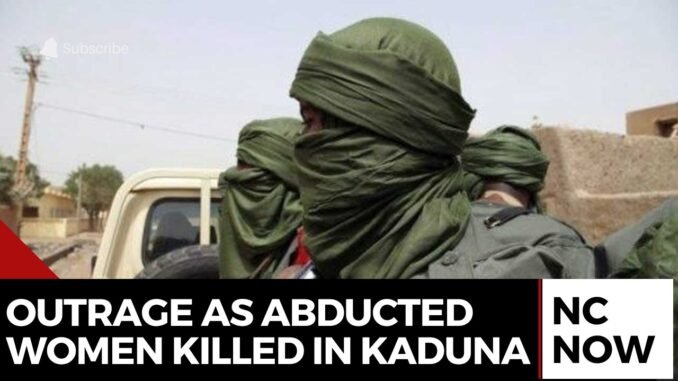

Summary: A woman identified as Malama Ummulkhairi was brutally killed and set ablaze by a mob in Maraban Jos, Kaduna State, over unverified allegations of child theft—another tragic case of jungle justice in Nigeria.
The scourge of mob justice has once again reared its ugly head in Nigeria, this time claiming the life of a woman in Kaduna State. Malama Ummulkhairi met a horrific end at the hands of an angry mob in Maraban Jos community after being accused of child theft—an allegation that was never verified or proven.
According to reports, the woman was attacked by residents who took the law into their own hands, lynching her before setting her body ablaze in a disturbing display of jungle justice. The incident has left the community in shock and sparked fresh conversations about the dangers of mob action in Nigerian society.
The Deadly Cycle of Jungle Justice
This tragic incident is far from isolated. Across Nigeria, stories of mob killings continue to emerge with alarming frequency. From Lagos to Kano, Port Harcourt to Kaduna, Nigerians have witnessed countless cases where accused individuals—guilty or innocent—are subjected to summary execution by angry mobs.
The pattern is disturbingly familiar: an accusation is made, a crowd gathers, emotions run high, and before any investigation can take place, the accused is beaten, stoned, or burned to death. In many cases, like that of Malama Ummulkhairi, the allegations turn out to be unsubstantiated or entirely false.
Why Mob Justice Persists in Nigeria
Several factors contribute to the persistence of jungle justice in Nigerian communities:
Distrust in the justice system: Many Nigerians have lost faith in the formal legal system due to corruption, delays, and perceived ineffectiveness. When people believe criminals will escape justice through the courts, they feel compelled to dispense their own.
Poverty and frustration: Economic hardship and social frustration create volatile environments where emotions can quickly escalate into violence.
Herd mentality: Once a mob forms, individuals often abandon rational thinking and personal responsibility, swept up in collective anger.
Lack of civic education: Many citizens are unaware that taking the law into their own hands is itself a serious criminal offense.
The Human Cost
Behind every mob justice statistic is a human being—someone’s mother, father, sister, or brother. Malama Ummulkhairi was a person with a life, possibly a family, and dreams. Whether or not the accusations against her had any merit, she deserved the right to defend herself in a court of law, not to be murdered by a vigilante mob.
Beyond the immediate victim, mob killings traumatize entire communities, normalize violence, and erode the social fabric that holds society together.
What the Law Says
Under Nigerian law, participating in mob action is a criminal offense. Those who engage in jungle justice can face charges ranging from murder to manslaughter, with severe penalties including lengthy prison sentences or even the death penalty.
The police have a constitutional duty to investigate crimes, arrest suspects, and ensure they face trial. Citizens who take the law into their own hands undermine this process and become criminals themselves.
A Call for Change
To address the menace of mob justice, Nigeria needs:
– Stronger law enforcement response: Police must promptly investigate accusations and protect suspects from mob action.
– Swift justice: Courts should expedite cases to demonstrate that the formal justice system works.
– Public education: Communities need awareness campaigns about the dangers and illegality of jungle justice.
– Community policing: Better collaboration between security agencies and communities can build trust and reduce the temptation toward vigilantism.
– Accountability: Those who participate in mob killings must face prosecution to serve as a deterrent.
Conclusion
The brutal killing of Malama Ummulkhairi in Kaduna is a stark reminder that Nigeria still has a long way to go in establishing the rule of law. Every time a mob takes justice into its own hands, it represents a failure—a failure of institutions, of civic education, and of our collective humanity.
No matter the accusation, no matter the anger, mob justice is never the answer. It destroys lives, traumatizes communities, and perpetuates a cycle of violence that diminishes us all.
As Nigerians, we must reject jungle justice in all its forms and recommit ourselves to the principles of due process, human dignity, and the rule of law. Only then can we build the just and peaceful society we all desire.
May Malama Ummulkhairi’s soul rest in peace, and may justice prevail for all involved in this tragedy.
For more information, check buzzUp9ja
Be the first to comment