
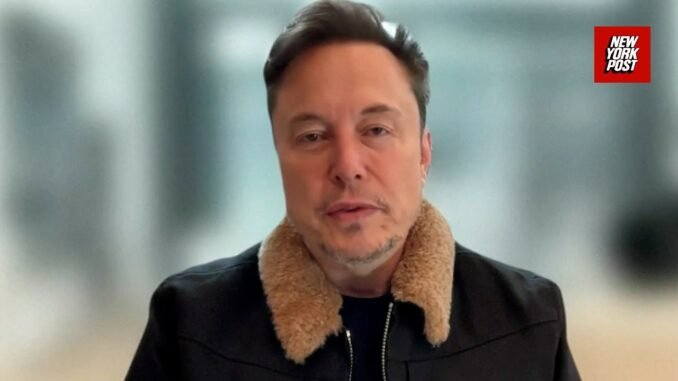

The world’s richest man has sparked debate with his comments about hunger in Africa, but the reality on the ground tells a more complex story
—
Elon Musk, the world’s richest man and CEO of Tesla and SpaceX, has stirred controversy with his recent claim that “people in Africa are not starving.” This statement comes amid ongoing conversations about whether the billionaire should donate part of his massive wealth to combat hunger across the African continent.
The Context Behind Musk’s Statement
As Musk’s net worth continues to climb toward the trillion-dollar mark, activists and social commentators have increasingly called on him to use his wealth to address pressing global issues, particularly food insecurity in developing regions like Africa. However, rather than committing to such donations, Musk has pushed back against what he appears to view as misconceptions about the continent.
What the Data Actually Shows
While Musk’s blanket statement might serve his narrative, the reality of food security in Africa—including here in Nigeria—is far more nuanced. According to recent reports from international organizations, millions of Africans face food insecurity, though the situation varies dramatically from country to country and region to region.
In Nigeria specifically, we know the challenges firsthand. Rising food prices, inflation, insecurity affecting farming communities in the North, and economic pressures have made it increasingly difficult for many families to afford balanced meals. The naira’s depreciation has pushed up the cost of imported food items, while local production struggles to meet demand.
The Danger of Oversimplification
Musk’s comment reflects a common problem: oversimplifying Africa’s challenges. Yes, many Africans are thriving, building businesses, creating content, and contributing to the global economy. Nigeria has a vibrant tech scene, a booming entertainment industry, and entrepreneurial spirit that rivals anywhere in the world.
But this prosperity coexists with genuine hardship. Stating that “people in Africa are not starving” ignores the experiences of millions who genuinely struggle with food insecurity—from internally displaced persons in conflict zones to families affected by climate change and economic instability.
A Matter of Perspective
Perhaps what Musk intended to say is that Africa is not the monolithic picture of desperation often portrayed in Western media. If so, that’s a fair point. The single-story narrative of Africa as a continent of only poverty and hunger is both outdated and offensive.
However, dismissing legitimate calls for addressing hunger—whether through philanthropy, policy, or business solutions—helps no one. Nigeria and other African nations need investment, infrastructure, and economic opportunities that allow people to feed themselves sustainably, not just charity.
What Africa Actually Needs
Rather than debating whether people are starving, perhaps the conversation should focus on what actually helps: investment in agriculture, technology transfer, infrastructure development, and creating economic opportunities that allow Africans to build wealth and food security for themselves.
If billionaires like Musk truly want to make a difference, supporting African-led solutions, investing in local businesses, and creating jobs on the continent would be far more impactful than charity—or dismissive statements.
The Bottom Line
Elon Musk’s claim that Africans are not starving is technically correct in some contexts but dangerously misleading in others. Food insecurity is a real issue affecting millions across the continent, even as many others thrive and prosper.
What Africa—and Nigeria—needs is not pity or oversimplified narratives from either side. We need genuine partnership, investment, and respect for the complex realities of our diverse continent.
What do you think about Musk’s comments? Share your thoughts in the comments below.
Stay tuned on buzzUp9ja for more news
Be the first to comment