
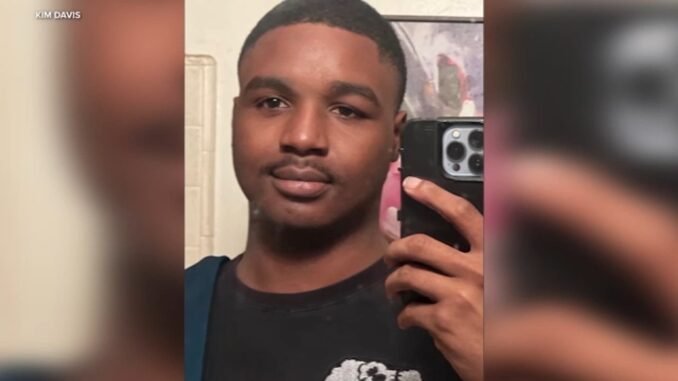

Summary: A 22-year-old stadium worker’s life was cut short in a heartbreaking incident while returning home from his second day of work at the FIFA World Cup match between Iran and New Zealand
The global football community has been thrown into mourning following the tragic death of Aaron Avery, a 22-year-old worker at SoFi Stadium in Los Angeles. The young man, who was barely settling into his new role, lost his life while walking home after working at the Iran versus New Zealand FIFA World Cup qualifier match.
A Dream Job Turned Tragic
Aaron Avery had just begun what many would consider a dream job – working at one of America’s most prestigious sporting venues during one of football’s most anticipated tournaments. For the young man, it was an opportunity to be part of something bigger than himself, to contribute to the beautiful game that unites nations and cultures.
His second day on the job would tragically be his last.
The Incident
According to reports, Avery was struck and killed while making his way home on foot after his shift at the stadium. The incident has sent shockwaves through the stadium’s workforce and the broader sporting community, raising urgent questions about worker safety and transportation for staff members.
For many Nigerians reading this, the story hits particularly close to home. How many of our brothers and sisters working in various capacities – from event centers in Lagos to stadiums in Port Harcourt – face similar risks navigating their way home after late-night shifts? The conversation about worker welfare extends far beyond American shores.
A Life Cut Short
At just 22 years old, Aaron had his entire life ahead of him. He represented the countless young people around the world – including here in Nigeria – who take on jobs to build their futures, support their families, and chase their dreams. His death serves as a sobering reminder of how fragile life can be and how quickly joy can turn to tragedy.
Questions That Demand Answers
This heartbreaking incident raises several critical questions:
– Worker Transportation: Should employers provide safe transportation for staff working late-night events?
– Safety Protocols: What measures are in place to protect workers traveling to and from major venues?
– Responsibility: Where does an employer’s duty of care begin and end?
These questions resonate globally. In Nigeria, where many workers in the entertainment, hospitality, and events industries often struggle to find safe transportation home after late shifts, Aaron’s story should prompt serious conversations about employee welfare.
A Call for Change
The football world prides itself on bringing people together, on creating moments of joy and unity. Yet this tragedy reminds us that behind every major sporting event are countless workers – caterers, security personnel, ushers, cleaners – whose contributions make the magic possible.
Aaron Avery’s death should not be in vain. It must serve as a catalyst for change, pushing venues, event organizers, and employers worldwide to prioritize the safety and well-being of their workers from the moment they arrive until they safely reach their homes.
Lessons for Nigeria
As Nigeria continues to develop its sporting infrastructure and hosts more international events, we must learn from tragedies like this. The proposed staff transportation policies, adequate lighting around venues, and comprehensive insurance coverage for workers should not be afterthoughts – they should be fundamental requirements.
Our prayers go out to Aaron Avery’s family, friends, and colleagues during this incredibly difficult time. May his soul rest in perfect peace, and may his death inspire the changes needed to protect workers everywhere.
—
This incident serves as a reminder that every worker deserves to return home safely after their shift, regardless of where they work or what they do. Let us honor Aaron’s memory by advocating for better worker protection in our own communities.
For more information, check buzzUp9ja
Be the first to comment