
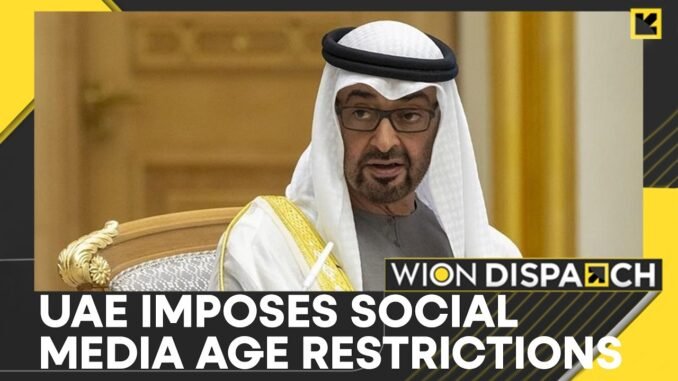

Summary: The UAE has introduced a groundbreaking social media ban for children under 15, sparking debate about digital safety and parenting in the internet age. What does this mean for Nigerian families?
—
The United Arab Emirates has just made history as the first Arab country to slam the door shut on social media for children under 15 years old. This bold move prevents young teenagers from creating personal accounts on popular platforms—even if their parents say it’s okay.
A Strict New Digital Law
The new regulation, which takes effect immediately, applies to all major social media platforms including Instagram, TikTok, Snapchat, Facebook, and Twitter (now X). Unlike age verification systems we’ve seen in other countries, the UAE’s approach is more rigid: no personal social media accounts whatsoever for anyone below 15.
This isn’t just a suggestion or guideline—it’s an enforceable law. Tech companies operating in the Emirates must now implement strict age verification measures or face serious penalties.
Why This Radical Step?
Emirati authorities cited growing concerns about the mental health impact of social media on young minds. Depression, anxiety, cyberbullying, and exposure to inappropriate content topped their list of worries—concerns that many Nigerian parents share as they watch their children glued to smartphones.
The UAE government argues that children’s developing brains aren’t equipped to handle the psychological pressures of social media: the constant comparison, the fear of missing out (FOMO), and the addictive scroll that keeps even adults hooked for hours.
What Nigerian Parents Can Learn
For Nigerian families navigating the digital age, the UAE’s decision raises important questions. Should we be implementing similar restrictions at home? Our children are growing up in a world where being “online” feels as natural as breathing, yet the dangers are very real.
Many Nigerian parents already struggle with managing their children’s screen time. From primary school pupils with TikTok accounts to secondary school students involved in online drama, the challenges are familiar. The UAE’s ban represents one extreme approach to a problem affecting parents worldwide.
The Other Side of the Coin
Critics argue that blanket bans aren’t the solution. Some child development experts believe that teaching children to navigate social media responsibly—with proper guidance—prepares them better for adult life than complete prohibition. After all, in today’s digital economy, social media literacy is increasingly important for career success.
There’s also the practical question: Can such bans truly work? Tech-savvy teenagers worldwide have proven remarkably creative at bypassing restrictions. VPNs, fake birthdates, and borrowed accounts are just a few workarounds young people use.
A Growing Global Trend
The UAE isn’t alone in its concerns. Australia recently passed legislation banning social media for children under 16, while countries like France and the UK are considering similar measures. The global conversation about children’s digital wellbeing is intensifying.
In Nigeria, we haven’t seen such strict government regulations yet, but the discussion is gaining momentum among parents, educators, and child rights advocates. Schools are beginning to address digital citizenship, and some families are adopting their own household rules about social media use.
What’s Best for Our Children?
The UAE’s decision forces us to confront an uncomfortable truth: we’re the first generation of parents raising children in a fully digital world, and we’re still figuring out the rules as we go.
Whether you agree with the ban or not, it’s a reminder that we need to actively engage with our children’s digital lives. Open conversations about online safety, setting reasonable boundaries, and modeling healthy social media habits ourselves might be more effective than outright bans.
As the debate continues, one thing is clear—the days of letting children freely roam the digital landscape without supervision are over. The question isn’t whether to protect our children online, but how best to do it.
What do you think? Should Nigeria consider similar restrictions? Share your thoughts in the comments below.
Check for more information on buzzUp9ja
Be the first to comment