
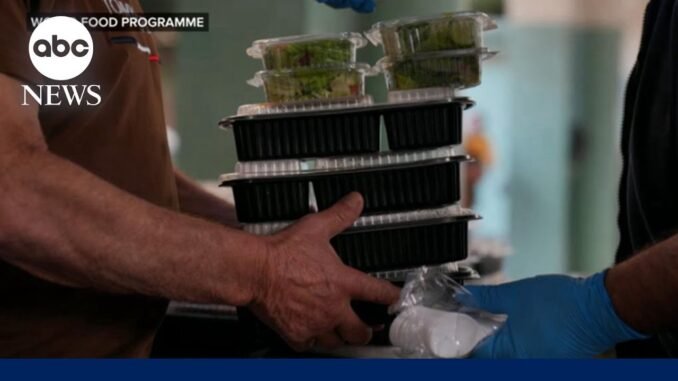

Summary: The World Food Programme warns that the Iran conflict is triggering a devastating food crisis, pushing millions toward acute hunger across vulnerable regions worldwide.
The ongoing conflict involving Iran is creating dangerous ripple effects that threaten to push millions of vulnerable people into severe hunger, the World Food Programme (WFP) has warned in a stark assessment of the global food security situation.
As tensions escalate in the Middle East, the humanitarian consequences are being felt far beyond the immediate conflict zone, with food-insecure populations across Africa, Asia, and the Middle East bearing the brunt of the crisis.
How the Iran Crisis is Fueling Global Hunger
The WFP chief highlighted several critical ways the conflict is exacerbating food insecurity worldwide:
Rising Food Prices: Disruptions to global supply chains and increased oil prices are making food more expensive for families already struggling to feed themselves. For Nigerians who have experienced firsthand how fuel price increases affect everything from transportation to food costs, this global trend hits particularly close to home.
Supply Chain Disruptions: Key shipping routes through the Middle East are under threat, affecting the movement of grain, cooking oil, and other essential commodities. Nigeria, which imports a significant portion of its wheat and rice, remains vulnerable to these international supply shocks.
Reduced Humanitarian Access: The conflict is making it increasingly difficult for aid organizations to reach populations in need, particularly in Yemen, Syria, and other crisis-affected areas in the region.
Nigeria and Africa’s Vulnerability
The warning from the WFP comes at a particularly challenging time for Nigeria and the broader African continent. With many African nations already grappling with climate change, internal conflicts, and economic pressures, additional shocks to the global food system could prove catastrophic.
Nigeria, Africa’s most populous nation, imports substantial amounts of food commodities, making the country vulnerable to international price spikes and supply disruptions. The potential escalation of the Iran conflict could further strain an already fragile food security situation.
Regions at Highest Risk
According to the WFP, several regions face the most immediate danger:
– Middle East and North Africa: Countries like Yemen, Syria, and Lebanon, already devastated by years of conflict, could see their humanitarian situations deteriorate rapidly.
– Sub-Saharan Africa: Nations in the Sahel region and East Africa, where millions already face food insecurity due to drought and conflict, are particularly vulnerable.
– South Asia: Bangladesh, Afghanistan, and Pakistan could experience increased food prices and reduced access to essential commodities.
The Perfect Storm of Crises
The WFP’s warning underscores how the Iran conflict is compounding existing challenges. Global food systems are already strained by:
– Climate change and extreme weather events
– The lingering economic effects of the COVID-19 pandemic
– Ongoing conflicts in Sudan, Gaza, and Ukraine
– Rising costs of fuel and fertilizers
Each additional crisis amplifies the impact of others, creating a cascading effect that threatens the most vulnerable populations worldwide.
What This Means for Nigerian Families
For everyday Nigerians, the implications are clear and concerning. The country’s dependence on imported food means that international crises quickly translate into local challenges:
Higher Market Prices: Expect potential increases in the cost of staple items like rice, pasta, cooking oil, and bread.
Currency Pressure: Additional strain on the naira as demand for foreign exchange to import food increases.
Inflation Concerns: Food price increases contribute to overall inflation, reducing purchasing power for families.
Call for International Action
The WFP chief emphasized the urgent need for the international community to:
1. Increase funding for humanitarian operations to meet growing needs
2. Protect supply chains and keep trade routes open
3. Prioritize diplomatic solutions to prevent further escalation
4. Support vulnerable populations before the crisis deepens
Local Solutions Matter Too
While international efforts are crucial, Nigeria and other vulnerable nations must also strengthen domestic food production and security measures:
– Investing in local agriculture to reduce import dependence
– Improving storage and distribution infrastructure
– Supporting small-scale farmers with resources and technology
– Diversifying food sources and supply chains
A Warning We Cannot Ignore
The WFP’s alarm should serve as a wake-up call. As we’ve learned from previous global crises, what happens in distant regions can quickly impact Nigerian markets, homes, and dinner tables.
The conflict involving Iran is not just a Middle Eastern issue—it’s a global humanitarian concern with potentially devastating consequences for millions of people, including vulnerable populations right here in Nigeria.
As the situation develops, staying informed and supporting efforts to strengthen food security—both globally and locally—becomes increasingly important for protecting the most vulnerable among us.
—
The World Food Programme continues to monitor the situation closely and has called for urgent international support to prevent a catastrophic hunger crisis.
Follow for more updates on buzzUp9ja
Be the first to comment