

Summary: New York lawmakers propose controversial bill replacing traditional parental terms like “mother” and “father” with gender-neutral language in custody laws. Here’s what Nigerians need to know about this American legislative move.
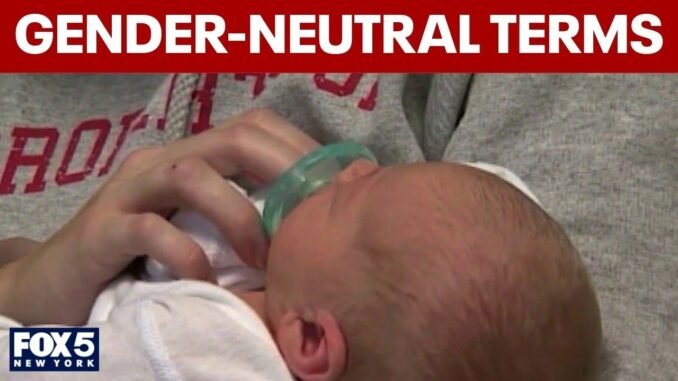
The Democratic Party in New York State has introduced legislation that would fundamentally change how parents are referred to in official government documents. The proposed bill seeks to replace the word “mother” with “gestating parent” and “father” with alternative gender-neutral terms across state child custody and parental laws.
What the Bill Proposes
According to the legislation currently making its way through the New York State Assembly, traditional terms that have been used for generations would be updated to reflect what supporters call “inclusive language.” The lawmakers behind the bill argue that these changes are necessary to accommodate modern family structures and gender identities.
The replacement of “mother” with “gestating parent” has sparked particularly heated debate, as it focuses on the biological function of pregnancy rather than the traditional maternal role.
Why This Matters to Nigerians
While this is an American issue, the cultural implications resonate globally, including here in Nigeria. Our society deeply values the terms “mother” and “father” – words that carry profound emotional, cultural, and even spiritual significance.
In Nigerian culture, across all ethnic groups – whether Yoruba, Igbo, Hausa, or any of our diverse peoples – motherhood holds a special place. The Yoruba say “Iya ni wura, baba ni digi” (Mother is gold, father is a mirror). The Igbo revere “Nne” (mother) as the pillar of the family. These aren’t just titles; they represent identity, heritage, and the foundation of our communities.
The Growing Global Debate
This New York proposal is part of a broader movement in Western countries to adopt gender-neutral language in official settings. Supporters argue it creates inclusivity for:
– Same-sex couples raising children
– Transgender individuals who have given birth
– Non-binary parents
– Adoptive families with non-traditional structures
Critics, however, contend that removing biological terms erases the unique role of mothers and fathers, and that inclusivity shouldn’t come at the expense of language that reflects biological reality and cultural heritage.
Different Values, Different Societies
What works in New York may not align with Nigerian values and traditions. While we respect diversity and individual choices, our society remains rooted in family structures that honour both mothers and fathers as distinct, irreplaceable roles.
Nigeria’s legal system, inherited from British common law and adapted to our cultural context, still uses traditional family terminology. Our Constitution, family laws, and even everyday governance documents reference mothers and fathers without controversy.
The Broader Conversation
This development in New York raises important questions that Nigerians watching global trends should consider:
– How far should governments go in changing language to accommodate new social movements?
– Can inclusivity be achieved without erasing traditional terms?
– What role should cultural values play in lawmaking?
For many Nigerians observing these Western debates, the answer is clear: progress doesn’t require abandoning the foundations of family and society. We can respect individual choices while maintaining the language and values that have sustained our communities for generations.
What Happens Next
The bill still needs to pass through various legislative stages before becoming law in New York. If approved, it would mark one of the most significant changes to family law language in American history.
For now, Nigerian parents can rest assured that no such changes are being contemplated in our own legal system. The words “mother” and “father” – Mama, Papa, Nne, Baba, Maama, Iya – remain as sacred and unchanged here as they’ve always been.
As we watch these developments abroad, they serve as a reminder to cherish and protect the values that define us as Africans, even as the world around us continues to change.
Get more news on buzzUp9ja
Be the first to comment