
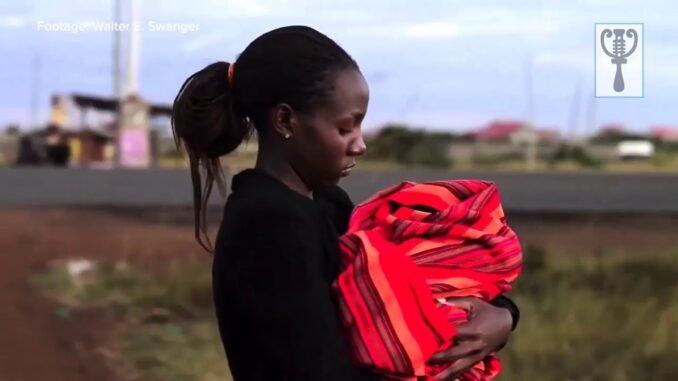

A disturbing new health report has exposed the extent of teenage pregnancy in Nigeria, with northern states bearing the heaviest burden of this growing public health crisis.
The 2025 State of Health of the Nation Report, released in Abuja under the National Health Act (2014), paints a worrying picture of adolescent reproductive health across the country, revealing stark differences between the north and south.
The Numbers Tell a Troubling Story
According to the report, Kebbi State leads the country with approximately 32 per cent of girls aged 15–19 having experienced pregnancy. Close behind are Zamfara and Kaduna states, each recording rates of about 30 per cent.
These figures stand in sharp contrast to southern states like Lagos and Edo, where teenage pregnancy rates hover around just three per cent—nearly ten times lower than the worst-affected northern states.
The data, drawn from the Nigeria Demographic and Health Survey (NDHS) 2024, highlights significant regional disparities that demand urgent, targeted interventions to protect our young girls and improve reproductive health outcomes.
Education: The Game Changer
Perhaps the most revealing finding in the report is the powerful connection between education and teenage pregnancy rates.
The statistics show that about 34 per cent of girls with no formal schooling had experienced pregnancy, compared with just four per cent of those who pursued education beyond secondary school. This eight-fold difference underscores what many health experts and educators have long maintained: education is one of the most effective tools for preventing teenage pregnancy.
When girls stay in school, they not only gain knowledge but also develop aspirations for their future, access to information about their bodies, and the confidence to make informed decisions about their reproductive health.
The Heavy Price of Early Pregnancy
Teenage pregnancy is far more than just a statistic—it carries serious consequences for both mother and child.
According to the report, young mothers face increased risks of maternal illness and death, while their babies are more vulnerable to health complications. Beyond the health implications, teenage pregnancy often triggers a cascade of social challenges, with school dropout being one of the most common outcomes.
When a young girl becomes pregnant, her education—and with it, her dreams and potential—often comes to an abrupt end. This perpetuates a cycle of poverty and limited opportunities that can affect not just the young mother, but generations to come.
Government Steps Up Interventions
Recognizing the urgency of the situation, the health sector has expanded adolescent-focused interventions in 2025 as part of efforts to achieve Universal Health Coverage.
Key initiatives include:
– Strengthening primary healthcare systems with specific focus on adolescent-friendly services
– Expanding community outreach programmes to reach young people in remote areas
– Investing in family planning services at primary healthcare facilities
– Providing HIV prevention and treatment for sexually transmitted infections
– Deploying community health workers to offer counselling and selected family planning services
These community health workers play a crucial role in bringing reproductive health information and support directly to adolescents, especially in areas where access to healthcare facilities is limited.
Progress on Menstrual Hygiene
The report wasn’t all grim news. Significant improvements have been recorded in menstrual hygiene management, with about 95 per cent of adolescent girls reporting they could wash and change privately at home, while 94 per cent said they use appropriate menstrual materials.
School and community water, sanitation, and hygiene (WASH) programmes have also been strengthened to improve the overall well-being of young people and reduce preventable infections.
New Concerns: Mental Health and Substance Abuse
While addressing teenage pregnancy, the report also raised alarms about emerging challenges facing Nigerian adolescents: rising mental health issues and substance abuse.
There has been an increase in the use of alcohol and drugs, including tramadol and cannabis, particularly among secondary school students. This troubling trend adds another layer of complexity to the health challenges facing our young people.
Adolescents and young people aged 10–24 make up about 32 per cent of Nigeria’s population and carry a significant burden of mental health conditions, especially depression and anxiety. These issues require urgent attention alongside reproductive health interventions.
The Way Forward
Addressing the teenage pregnancy crisis, particularly in northern Nigeria, will require a comprehensive approach that goes beyond healthcare alone.
We need sustained investment in girls’ education, community awareness programmes that challenge harmful cultural practices, economic empowerment initiatives for families, and accessible, youth-friendly health services that respect the dignity and privacy of young people.
Most importantly, we need to create environments where young girls can dream beyond early marriage and motherhood, where their education is prioritized, and where they have the information and support to make healthy choices about their bodies and their futures.
The gap between Kebbi’s 32 per cent and Lagos’s three per cent proves that change is possible. What works in one part of Nigeria can work in another—but only with commitment, resources, and a genuine determination to give all our girls the chance to reach their full potential.
What are your thoughts on tackling teenage pregnancy in Nigeria? Share your views in the comments below.
For more details, check buzzUp9ja
Be the first to comment