
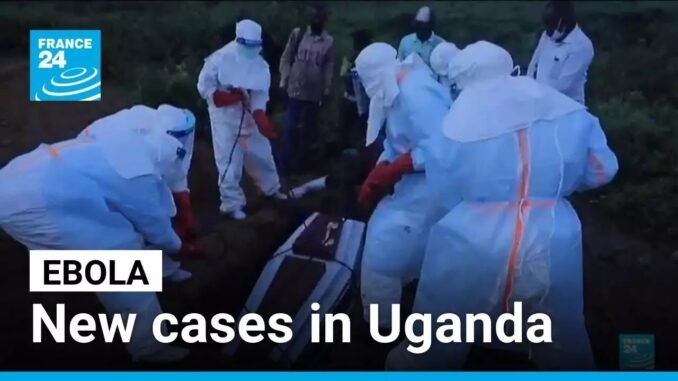

Summary: Uganda reports two additional Ebola cases, raising total infections to seven since May 15. Learn about the latest developments in this West African health crisis and what it means for the region.
Uganda’s health authorities have confirmed two more cases of the deadly Ebola virus, pushing the total number of infections in the current outbreak to seven since the disease was officially detected on May 15.
The East African nation, which shares borders with several countries including South Sudan and the Democratic Republic of Congo, is now racing against time to contain the spread of the hemorrhagic fever that has claimed countless lives across Africa over the decades.
Growing Concerns Across the Region
The confirmation of these additional cases has raised concerns not just in Uganda, but across the entire African continent. Nigeria, having experienced its own Ebola outbreak in 2014 which was successfully contained through swift action and excellent contact tracing, understands firsthand the devastating impact this virus can have on communities and healthcare systems.
Health experts across West and East Africa are monitoring the situation closely, as the virus is known for its ability to spread rapidly within communities, especially in areas with limited healthcare infrastructure.
What We Know About Ebola
Ebola virus disease (EVD), formerly known as Ebola hemorrhagic fever, is a severe, often fatal illness affecting humans and other primates. The virus spreads through:
– Direct contact with bodily fluids of infected persons
– Contact with contaminated objects
– Handling infected animals
Symptoms typically include:
– High fever
– Severe headache
– Muscle pain
– Weakness
– Fatigue
– Diarrhea and vomiting
– Unexplained bleeding or bruising
Lessons from Nigeria’s 2014 Success Story
Many Nigerians will remember how our country successfully fought off Ebola in 2014, with the World Health Organization (WHO) praising Nigeria’s response as a model for other nations. Through the dedication of healthcare workers, effective contact tracing, and public awareness campaigns, Nigeria was declared Ebola-free within months.
The success story serves as a reminder that with proper resources, coordination, and public cooperation, even the most dangerous outbreaks can be controlled.
Regional Implications
As Uganda battles this latest outbreak, African nations including Nigeria must remain vigilant. The interconnected nature of our continent, with bustling trade routes and frequent cross-border movement, means that diseases recognize no boundaries.
The Nigerian Centre for Disease Control (NCDC) and other health agencies across the continent are likely monitoring the situation and reviewing their preparedness protocols.
What Authorities Are Doing
While specific details of Uganda’s response measures are still emerging, standard Ebola outbreak responses typically include:
– Isolating confirmed cases in specialized treatment centers
– Tracing and monitoring contacts of infected persons
– Implementing strict infection control measures in healthcare facilities
– Conducting community awareness campaigns
– Screening at borders and points of entry
Stay Informed, Stay Safe
For Nigerians with family or business connections in Uganda or planning to travel to East Africa, it’s essential to:
1. Stay updated on travel advisories from health authorities
2. Practice good hygiene and handwashing
3. Avoid contact with anyone showing symptoms
4. Seek immediate medical attention if you develop fever or other symptoms after traveling to affected areas
5. Follow guidelines from the NCDC and WHO
The Way Forward
As Uganda works to contain this outbreak, the situation serves as a reminder of the ongoing health challenges facing our continent. It also highlights the importance of strong healthcare systems, regional cooperation, and continued investment in disease surveillance and response capabilities.
The eyes of the international health community are on Uganda, and there’s hope that with swift action and proper resources, this outbreak can be contained before it spreads further.
Stay connected to reliable news sources for updates on this developing story.
Have you or someone you know been affected by Ebola? Share your thoughts and experiences in the comments below. Let’s keep the conversation going about health security in Africa.
Visit buzzUp9ja for more updates
Be the first to comment