
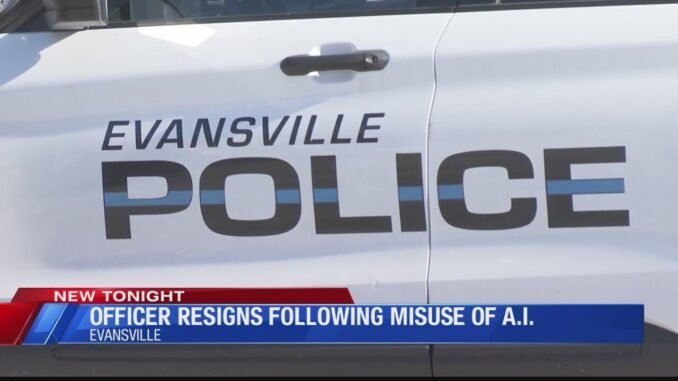

In a development that has sent shockwaves through law enforcement circles, a high-ranking British police official has been suspended following the discovery of inappropriate content on his work-issued mobile phone—detected not by human investigators, but by sophisticated artificial intelligence software.
The Case That’s Got Everyone Talking
Special Chief Officer James Deller found himself at the center of controversy after becoming one of more than 100 officers flagged by AI monitoring technology deployed across the police force. The software, designed to scan work devices for policy violations and inappropriate material, allegedly identified what authorities described as “sexual content” on Deller’s official work phone.
This case marks a significant moment in the intersection of technology, workplace monitoring, and professional accountability—issues that resonate far beyond British shores and touch on concerns familiar to Nigerian professionals and organizations.
AI Playing Watchdog: The New Sheriff in Town
The use of artificial intelligence to monitor employee devices represents a growing trend in organizations worldwide, including here in Nigeria where both private companies and government agencies are increasingly adopting digital oversight tools.
The technology works by scanning files, messages, browsing history, and stored content on work devices, flagging material that violates company policies or professional standards. Think of it as a tireless digital supervisor that never sleeps, never takes breaks, and processes information faster than any human ever could.
For many Nigerians familiar with strict workplace policies—whether in banking, telecommunications, or government service—this level of monitoring might sound extreme. Yet it raises important questions: Where do we draw the line between organizational security and personal privacy?
What This Means for Workplace Culture
The suspension of a senior officer sends a clear message: rank and position offer no immunity when it comes to professional misconduct. In Nigerian parlance, we might say “whether you be oga or messenger, rules na rules.”
This case highlights several important lessons for professionals everywhere:
1. Work Devices Are Not Personal Phones
That smartphone or laptop issued by your employer? It belongs to them, not you. Anything you do on it can potentially be monitored, reviewed, and used in disciplinary proceedings.
2. Technology Doesn’t Forget
Even if you delete something, digital footprints often remain. AI systems can recover and analyze data you thought was long gone.
3. Professional Standards Apply 24/7
Particularly for those in positions of authority and public trust, professional conduct extends beyond office hours.
The Broader Implications
For Nigerian organizations considering similar monitoring technologies, this case offers both a cautionary tale and a roadmap. While such tools can help maintain professional standards and protect organizational integrity, they must be implemented with clear policies, transparency, and respect for applicable laws.
The Nigeria Data Protection Regulation (NDPR) and emerging privacy laws mean organizations cannot simply monitor employees without proper disclosure and legitimate business reasons.
Public Trust and Accountability
Law enforcement agencies, whether in London or Lagos, operate on public trust. When those entrusted with upholding the law find themselves accused of misconduct, it undermines confidence in the entire system.
This is particularly relevant in Nigeria, where calls for police reform and accountability remain at the forefront of public discourse. The case demonstrates that technology can serve as an impartial tool for ensuring that those in uniform maintain the highest standards of conduct.
The Human Element
While the technology flagged the content, human judgment ultimately determines the outcome. The suspension doesn’t represent a final verdict—it’s part of a process that should include proper investigation, the right to respond, and fair hearing.
This balance between technological efficiency and human fairness is crucial. As we embrace AI and automation, we must ensure these tools enhance rather than replace human judgment and justice.
What Happens Next?
Investigations of this nature typically involve thorough review of the evidence, consideration of context, and adherence to employment law and disciplinary procedures. The officer will likely have opportunities to present his side of the story before final decisions are made.
The outcome could set important precedents for how organizations handle similar situations, particularly regarding the use of AI in workplace monitoring.
Final Thoughts
This case serves as a wake-up call for professionals everywhere: in our increasingly digital world, privacy is not what it used to be, especially when it comes to work devices and professional conduct.
For Nigerian workers and employers alike, the message is clear—embrace technology responsibly, maintain professional standards consistently, and remember that what you do on work devices may not stay as private as you think.
As our own organizations continue to modernize and adopt sophisticated monitoring tools, we must strike the right balance between accountability and privacy, between oversight and overreach.
The question isn’t whether technology should play a role in maintaining workplace standards—it’s how we use these tools fairly, transparently, and in ways that respect both organizational needs and human dignity.
What are your thoughts on AI monitoring in the workplace? Is this the future of professional accountability, or have we gone too far? Share your views in the comments below.
For more information, check buzzUp9ja
Be the first to comment