
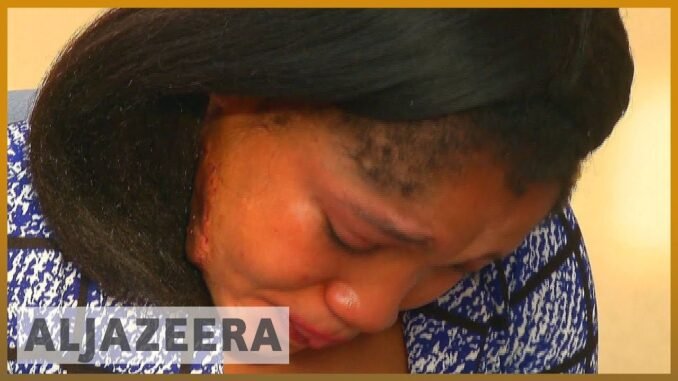

In a heartbreaking case that exposes the dark underbelly of human trafficking in West Africa, a 22-year-old physically challenged Nigerian woman, Njoku Nnena, has been rescued from a prostitution ring in Mali.
The Global Anti-Human Trafficking Organisation revealed the successful rescue operation, bringing to light yet another disturbing chapter in the ongoing struggle against modern-day slavery that continues to plague many Nigerian women and girls.
The Vulnerability of Disabled Persons
Nnena’s case is particularly disturbing because it highlights how traffickers specifically target vulnerable members of society, including persons living with disabilities. These criminals exploit the economic hardships, limited opportunities, and desperate circumstances that many Nigerians face, especially those with physical challenges who often encounter additional barriers to employment and social support.
The Mali Connection
Mali has increasingly become a transit and destination point for human trafficking victims from Nigeria and other West African countries. The porous borders between Nigeria and neighboring nations, combined with insufficient security measures, have made it easier for trafficking syndicates to operate across the region.
Many young Nigerian women are lured with promises of legitimate employment opportunities abroad—jobs as shop attendants, hairdressers, or domestic workers—only to find themselves trapped in exploitative situations far from home, with their travel documents seized and their lives controlled by ruthless traffickers.
A Growing National Crisis
Human trafficking remains one of Nigeria’s most pressing security and humanitarian challenges. According to various reports, Nigeria is a major source country for women and girls trafficked for sexual exploitation, both within the country and internationally.
The National Agency for the Prohibition of Trafficking in Persons (NAPTIP) has recorded thousands of cases over the years, but many experts believe the actual numbers are far higher, as countless cases go unreported due to stigma, fear, and lack of awareness.
The Road to Recovery
While Nnena’s rescue represents a victory against these criminal networks, her journey toward physical, emotional, and psychological recovery is just beginning. Trafficking survivors often require extensive support services, including medical care, counseling, vocational training, and legal assistance.
The trauma of being trafficked—especially for sexual exploitation—leaves deep scars that can take years to heal. Survivors need comprehensive rehabilitation programs and community support to rebuild their lives and reintegrate into society.
What Can Be Done?
For Families and Communities:
– Be wary of too-good-to-be-true job offers, especially those requiring travel abroad
– Verify the legitimacy of recruitment agencies and job opportunities
– Maintain open communication with family members who travel for work
– Report suspicious activities to NAPTIP or law enforcement
For Government and Organizations:
– Strengthen border security and inter-agency cooperation across West Africa
– Increase funding for anti-trafficking operations and victim support services
– Enhance public awareness campaigns, especially in vulnerable communities
– Provide economic empowerment programs for at-risk populations, including persons with disabilities
A Call to Action
Nnena’s story is a stark reminder that human trafficking is not just a statistic—it affects real people with real dreams and aspirations. Every Nigerian has a role to play in combating this evil by staying vigilant, educating others, and supporting survivors.
If you suspect human trafficking or know someone who may be a victim, contact NAPTIP immediately on their toll-free number: 0800 622 4673.
Together, we can create a Nigeria where no young woman—regardless of her physical ability—becomes prey to traffickers who profit from human misery.
—
The fight against human trafficking requires the collective effort of every Nigerian. Stay informed, stay vigilant, and speak up against exploitation.
Be the first to comment