

Summary: New research reveals shocking connection between common plastic chemicals and premature births in Nigeria and worldwide. Learn how phthalates affect pregnancy and what you can do to protect your family.
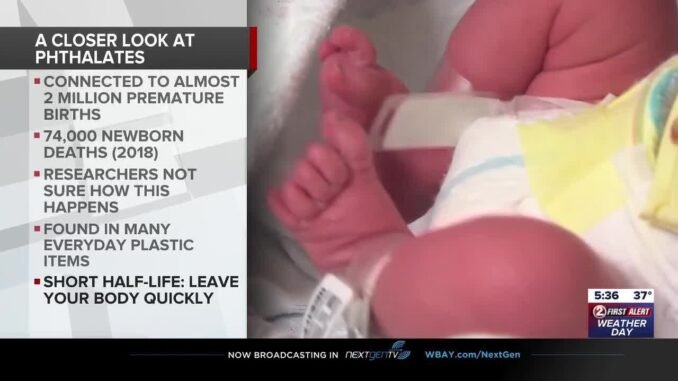
A groundbreaking study has uncovered alarming evidence that two chemicals commonly found in everyday plastic products may be responsible for nearly 2 million premature births and approximately 74,000 newborn deaths globally in 2018 alone.
These findings have serious implications for Nigerian families, where plastic products are increasingly common in our daily lives—from pure water sachets to food containers and children’s toys.
The Hidden Danger in Our Plastics
The chemicals in question are called phthalates (pronounced THAL-ates), which manufacturers add to plastics to make them more flexible and durable. You’ll find them in numerous products Nigerians use every day:
– Plastic food containers and water bottles
– Cosmetics and personal care products
– Children’s toys
– Medical equipment
– Vinyl flooring and shower curtains
– Food packaging materials
These chemicals don’t stay locked inside the plastic. They can leach out into our food, water, and air, especially when plastic is heated or exposed to sunlight—something particularly concerning in Nigeria’s hot climate.
The Impact on Nigerian Mothers and Babies
The research, which analyzed data from around the world, found that exposure to phthalates during pregnancy significantly increases the risk of premature birth. Premature babies (those born before 37 weeks) face numerous health challenges, including:
– Breathing difficulties
– Feeding problems
– Developmental delays
– Higher risk of infant mortality
– Long-term health complications
In Nigeria, where maternal and infant health services are already stretched, these additional risks place even greater burden on families and our healthcare system.
Understanding the Numbers
The study’s findings are staggering:
– Nearly 2 million premature births worldwide potentially linked to phthalate exposure
– Approximately 74,000 newborn deaths that could be connected to these chemicals
– Economic costs running into billions of dollars from healthcare expenses and lost productivity
While specific data for Nigeria wasn’t isolated in this study, our growing use of plastic products suggests Nigerian women and babies are equally at risk.
How Phthalates Affect Pregnancy
Researchers believe phthalates interfere with the body’s natural hormone systems, particularly affecting:
– The development of the placenta
– The timing of labor and delivery
– Fetal growth and development
– The mother’s reproductive health
When pregnant women are exposed to these chemicals through contaminated food, water, or personal care products, the substances can cross the placental barrier and affect the developing baby.
What Nigerian Families Can Do
While it’s nearly impossible to completely avoid plastics in modern life, there are practical steps you can take to reduce your family’s exposure:
In the Kitchen
– Avoid heating food in plastic containers or using plastic dishes for hot meals
– Use glass, ceramic, or stainless steel containers instead of plastic when possible
– Don’t reuse disposable plastic water bottles repeatedly
– Be cautious with “pure water” sachets left in the sun
– Choose fresh foods over those packaged in plastic when available
For Pregnant Women
– Read labels on cosmetics and lotions—avoid products listing “fragrance” or “parfum”
– Choose phthalate-free personal care products
– Wash hands frequently, especially before eating
– Avoid handling receipts unnecessarily (thermal paper often contains these chemicals)
For Children
– Select wooden or cloth toys over plastic ones when possible
– Don’t let children chew on plastic toys
– Avoid vinyl or PVC products
– Keep plastic toys out of direct sunlight and heat
Around the Home
– Ventilate your home regularly to reduce indoor air contamination
– Choose fragrance-free cleaning products
– Avoid air fresheners and scented candles
– Consider natural alternatives to plastic products
The Bigger Picture for Nigeria
As Nigeria continues to develop and modernize, our use of plastic products has exploded. From the ubiquitous pure water sachets to takeaway food containers, plastics have become deeply embedded in Nigerian life.
However, this convenience comes with hidden costs:
– Environmental pollution choking our waterways
– Health risks to our most vulnerable populations
– Long-term effects on children’s development
– Burden on our healthcare system
This research adds another urgent reason for Nigeria to address our plastic problem—not just for environmental reasons, but for the health of our mothers and babies.
What Needs to Change
Experts say addressing this crisis requires action at multiple levels:
Government Action:
– Stricter regulation of chemicals in consumer products
– Better labeling requirements so consumers know what they’re buying
– Investment in public health campaigns about plastic safety
– Support for alternatives to single-use plastics
Industry Responsibility:
– Manufacturers should phase out harmful phthalates
– Development of safer plastic alternatives
– Transparent disclosure of chemicals used in products
Community Awareness:
– Education about the health risks of certain plastics
– Traditional alternatives to plastic products
– Support for local, sustainable packaging options
Hope for the Future
While these findings are concerning, awareness is the first step toward change. Nigerian families can make informed choices to protect their health, and our growing environmental consciousness provides hope for broader systemic changes.
Some Nigerian entrepreneurs are already developing alternatives—from biodegradable packaging to traditional calabash containers making a comeback. Supporting these innovations helps protect both our environment and our children’s health.
The Bottom Line
The connection between plastic chemicals and premature births represents a serious public health concern that Nigerian families cannot afford to ignore. While we wait for government regulations and industry changes, every family can take practical steps to reduce exposure.
For pregnant women especially, being mindful of plastic use isn’t just about environmental consciousness—it’s about giving your baby the healthiest possible start in life.
As we say in Nigeria, “Prevention is better than cure.” By understanding the risks and taking action now, we can protect our families and contribute to a healthier future for all Nigerian children.
Have you taken steps to reduce plastic use in your home? What challenges have you faced? Share your experiences and tips in the comments below to help other Nigerian families stay safe.
For more details, visit buzzUp9ja
Be the first to comment